Introduction
If you want to use paper to get organized but aren’t sure whether a bullet journal or a planner would actually help, you’re not alone. Both are popular, but they work very differently in practice. The right pick depends on your daily life, how you process information, and even how much effort you want to put in every week.
This article breaks down what actually makes bullet journals and planners different, what kinds of people tend to thrive with each, and practical pros and cons that will help you decide.
What is a Bullet Journal?
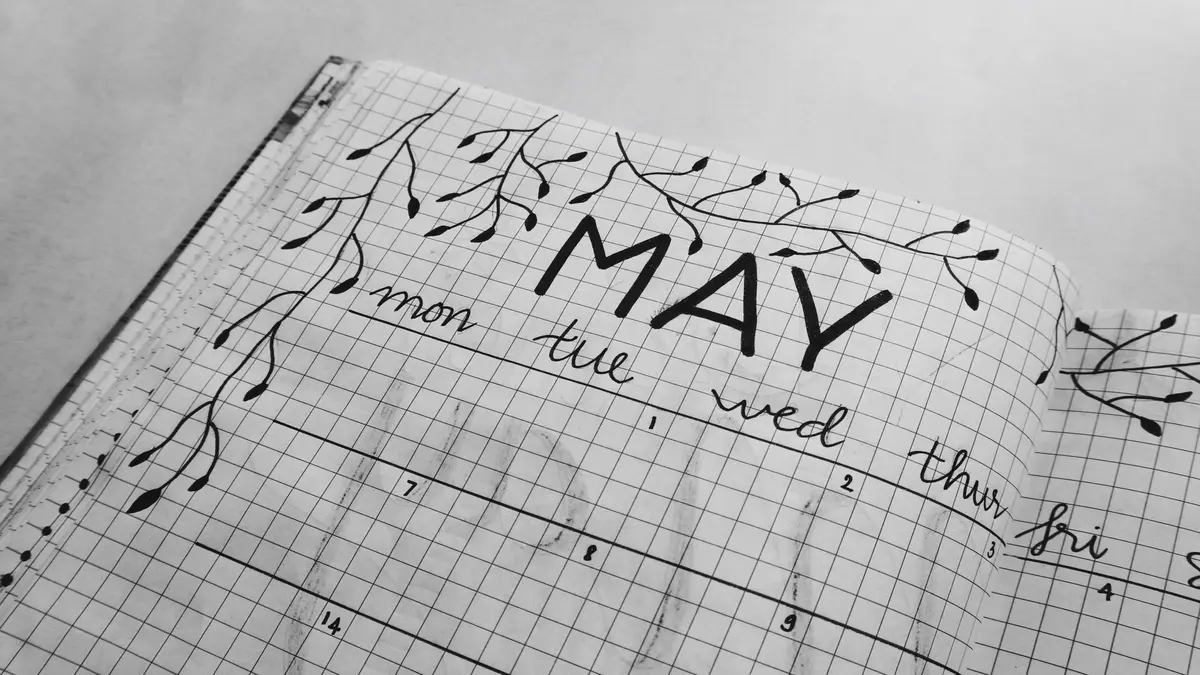
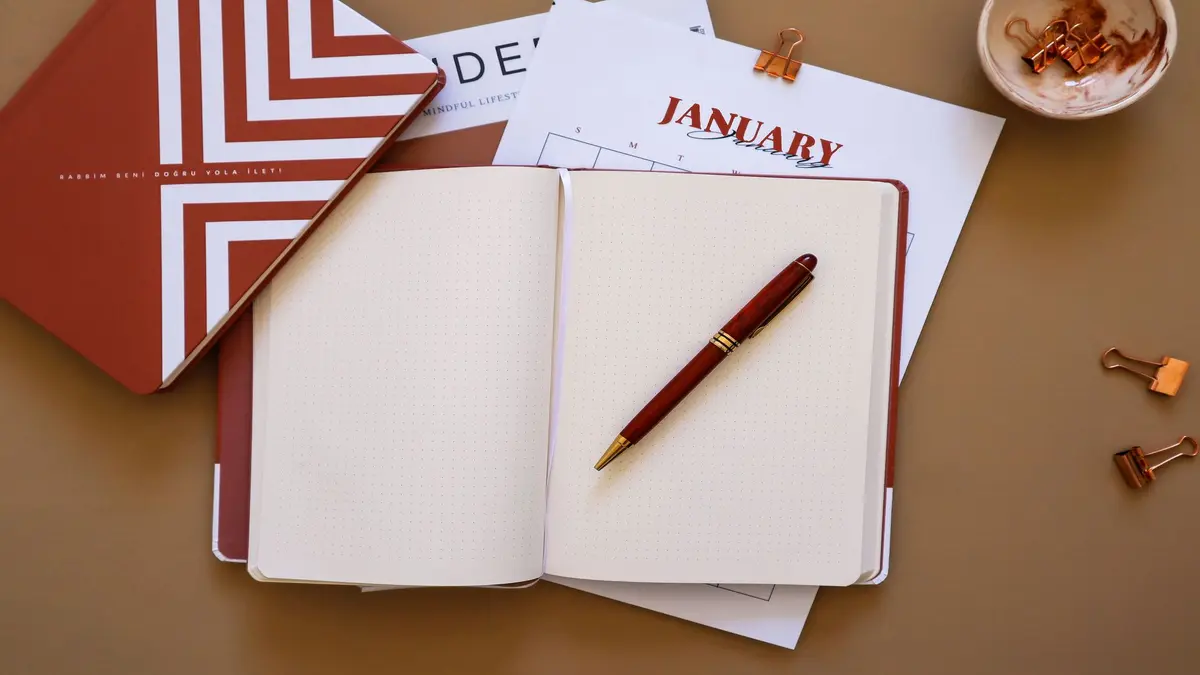
A bullet journal (often called a “BuJo”) is a blank or dotted notebook that you set up yourself. It’s not just a diary, or just a planner—you organize it any way you want. This might include to-do lists, schedules, habit trackers, notes, or even doodles and collections.
Key features:
- You create your own page layouts, calendars, lists, and logs.
- Common sections: Index, future log, monthly log, daily or weekly logs, and any custom pages (“collections”).
- Uses a system of quick notes and symbols, like dots for tasks, circles for events, and dashes for notes.
- It’s as minimal or elaborate as you want.
Typical supplies: Any notebook (dotted, lined, or blank), pens and markers, rulers, and optional extras like washi tape or stickers.
What is a Traditional Planner?
A traditional planner is a bound notebook (often spiral or hardcover) with pre-printed calendar pages. The structure is fixed—weekly spreads, monthly overviews, and sometimes extra pages for notes or goals.
Key features:
- Printed layouts, such as monthly and weekly calendars.
- Spaces for appointments, deadlines, and to-dos.
- Minimal setup—just fill in your plans each day or week.
- Designs can range from plain to decorative, but the basic structure stays the same all year.
Typical supplies: The planner itself, plus your preferred writing tools.
Bullet Journal vs Planner: How They’re Different
1. Flexibility and Customization
- Bullet Journal: Total flexibility. Change layouts week by week, add custom trackers, start and stop as needed. If your schedule is irregular or you like tailoring everything, this method shines.
- Planner: Fixed structure. You can only write in the spaces provided. Some planners offer a bit of customization—notes pages, habit trackers—but you’re working within preset boxes.
2. Time and Effort
- Bullet Journal: More effort upfront and on an ongoing basis. Setting up new pages, especially if you want nice layouts, takes time. Some people find this part relaxing, while others burn out fast when life gets busy.
- Planner: Minimal effort. Just write down your plans each day or week. If you leave it for a while, you’ll have blank pages, but you don’t have to create spreads from scratch.
3. Creative Expression
- Bullet Journal: Unlimited creative potential. Decorate, doodle, color-code, hand-letter, or keep it plain. Many users enjoy turning their BuJo into a personal art project or a scrapbook of their lives.
- Planner: Some planners are pretty, but the layouts don’t change. You can still use washi tape and stickers, but there’s less room for drawing or full-page creativity.
4. Structure and Guidance
- Bullet Journal: You are in charge. If you want guidance, you need to seek out ideas or templates, or follow the official Bullet Journal Method.
- Planner: The guidance is built in. Weekly and monthly layouts are ready to go—just follow the prompts.
5. Adapting to Life Changes
- Bullet Journal: Easy to skip weeks or months without wasting pages. When your schedule changes, you just start a new spread. Collections and trackers can be added at any point.
- Planner: Dated planners march on whether or not you use them. Skip a week and you lose some pages. Fixed layouts aren’t as forgiving if your needs change mid-year.
Practical Pros and Cons
Bullet Journal Pros
- Fits any lifestyle—add, remove, or change pages as your life evolves.
- Use for more than planning: goal tracking, brain dumps, project lists, gratitude logs, mood trackers.
- No “wasted” pages if you skip busy (or non-busy) weeks.
- Good for creative minds or anyone who can’t find a ready-made planner layout that fits.
Bullet Journal Cons
- Can be time-consuming, especially if you like decorating or elaborate layouts.
- Blank-page syndrome: it’s easy to feel overwhelmed if you don’t know how to start.
- Setup is ongoing. Must draw or write new layouts every week or month.
- Risk of burnout—some people start strong, then stop when life gets hectic or motivation fades.
- No built-in dates; you have to write them in.
Planner Pros
- Zero or very quick setup—open and start organizing.
- Consistency: same layouts every week.
- Great for people who want structure and routine.
- Less risk of falling behind due to skipped setups.
- Easy to see your month or week at a glance for appointments and deadlines.
Planner Cons
- Less room for customization. You’re confined to what the planner offers.
- If you skip a week or month, blank pages build up (some people find this discouraging).
- Not as adaptable if your planning needs or priorities shift partway through the year.
- Hard to add new types of trackers, collections, or lists.
- Can feel repetitive if you crave variety.
When to Choose a Bullet Journal
Consider a bullet journal if:
- Your schedule is unpredictable or subject to frequent change.
- You want to track more than just appointments (e.g., habits, books, goals, creative projects, health).
- You enjoy drawing, design, or just want the ability to make your planning process more personal.
- You can commit (realistically) to spending a little time each week or month setting up new spreads.
- You get frustrated with the limitations of pre-made planners.
Realistically, bullet journals work best for:
- Students and freelancers with varying workloads.
- Parents managing household, personal, and family activities in one book.
- Anyone combining planning, journaling, and note-taking.
- People who want their planner to also serve as an art or memory book.
When to Choose a Planner
A pre-printed planner is likely a better fit if:
- You need to see your appointments and schedule at a glance, reliably, every week.
- Your days are full of fixed commitments (work hours, meetings, children’s activities).
- You want minimal fuss—just open, write your plans, and move on.
- You know you won’t realistically spend time setting up pages or tracking habits in a detailed way.
- You hate the idea of a blank page and get overwhelmed without structure.
Planners are ideal for:
- Busy professionals with many appointments.
- People juggling consistent, repeating schedules.
- Anyone who likes lists, checkboxes, and predictability.
- Those new to paper planning and want a gentle start.
Hybrid Approaches
Many people end up using a mix of both—adding bullet journal-style pages or trackers inside a regular planner, or supplementing a planner with a slim notebook for custom lists and free-form notes. Some planners even come with extra blank pages for this.
If you’re intrigued by the creativity of bullet journaling but also want a little structure, you could use an undated planner (which allows some flexible start/stop) or a very minimal planner with extra blank pages.[[1]]
Choosing What’s Right for You
Rather than chasing what’s popular or Instagram-worthy, the best option is the one you’ll stick to. Here’s a practical way to decide:
Ask yourself:
- Do I want to spend time drawing or designing my spreads, or do I prefer to just fill in pre-printed boxes?
- How often does my routine change—do I follow a rigid schedule or often need to switch things up?
- Will I get frustrated seeing weeks of blank pages in a planner if I skip a few?
- Is it more important to me to have everything custom, or just something that works out of the box?
- Do I crave creative expression, or do I just want efficient time management?
If you’re still unsure, try each for a month (or even a week). Take notes on what feels natural or frustrating. There’s no penalty for switching if your needs change; plenty of people have alternated between systems over the years.
Common Mistakes and Tips
For bullet journal beginners:
- Don’t worry about fancy layouts at first. Start with the basic Bullet Journal method: simple lists, tasks, dates, and notes.
- It’s okay to keep things plain if you’re not artistic or don’t have time.
- Make use of online templates and community ideas, but don’t feel pressured to decorate.
For planner users:
- Choose a size and format that matches your bag space and writing needs—compact planners are portable, but may not have enough space for detailed plans.
- If you need more functionality than your planner provides, consider sticking a few extra note pages or trackers in the cover pocket.
- Look for undated planners if you need more flexibility in when you use it.
Final Thoughts
There’s no single best choice—only a best fit for you, right now. Bullet journals and traditional planners both help people get organized, but they take different routes. The most important thing is to pick the one you’re likely to keep using, and that makes sense for the way you live and think.