Why Desks Get Messy (And Why It’s So Frustrating)
Most people struggle with paper piles, scattered supplies, and a workspace that never seems to stay tidy. It’s rarely about laziness or not caring—often, it’s because there’s no clear system for what comes in, where it goes, and how to keep up with small tasks when life is busy.
Paperwork and supplies pile up quickly: unopened mail, paid bills, receipts, sticky notes, office pens, headphones, planners—before you know it, your desk is a distraction instead of a place to get work done. When things are out of sight, it’s easy to forget them; when they’re always in sight, it feels like you never catch up.
Let’s break down realistic habits and setups—tested by real people—that help keep paper and everyday items under control, even if you’re not aiming for a perfectly minimalist look.
Step 2: Sort Paperwork Quickly—Don’t Overthink It
Start by sorting papers into broad categories using sticky notes, small trays, or separate piles. Don’t create super-specific labels—you’ll burn out. Keep it simple:
- To Act (bills to pay, forms to sign)
- To File (documents you need to keep, like records)
- To Shred/Recycle (junk mail, outdated notes)
If it helps, add extra categories for receipts, kids’ stuff, or tax documents, but avoid more than six at a time for now. The goal is to handle each piece only once during this step. If you hesitate, put it in a “To Decide” mini-pile, but don’t let that pile get bigger than a few things.
As you sort, get rid of obvious trash right away. Recycle envelopes, flyers, and anything you know you’ll never need. This small win makes the pile less daunting.
Step 3: Give Every Paper a Home (And Make It Easy to Stay Sorted)
For Papers You Need Soon: Use Inboxes and Vertical Storage
Keeping active paperwork visible—but not scattered—solves half the problem. Most real people aren’t disciplined enough to put every paper away instantly, and that’s okay. Instead:
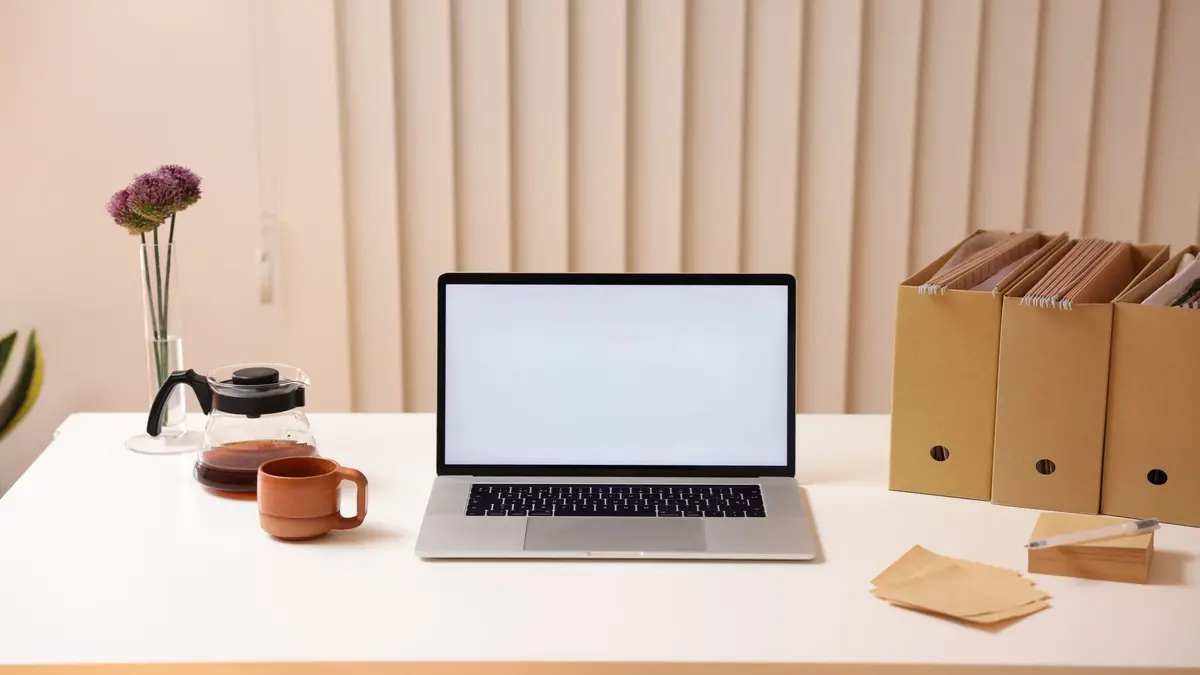
- Use an inbox tray or upright magazine file right on your desk for all incoming paper.
- Label it “To Process” or just “Inbox”—the wording doesn’t matter.
- If you have multiple flows (home vs. work), a separate bin for each can help—but don’t go overboard.
Vertical magazine racks, wall files, or clear acrylic stackable trays make a big difference. Instead of spreading out, your paper sits upright and sorted. Many people using this trick report piles disappearing from their actual desktop and being easier to deal with later.
If you hate the look of hard plastic, even a nice basket works. The key is that everything lands in one spot, not many.
For Papers You Reference Sometimes: File Away, Not Out of Reach
Anyone can keep up with a filing system if it’s simple. Broad labels (“Medical,” “Taxes,” “Kids’ School”) and color-coded folders work. Avoid micro-labels (“Insurance renewal notice July 2024”)—you won’t maintain these. Use hanging files, portable file boxes, or even a crate if you don’t have drawers.
For digital storage, scan and file only what you’re truly ready to toss physically. Apps like Genius Scan can help digitize, but don’t force yourself to go paperless unless it makes your life easier. Many people, especially those who prefer pen and paper, keep a working mix: critical papers in folders, less-important ones scanned or trashed.
Paper You Don’t Need: Get It Out Fast
Have a paper recycling bin and a small shredder (if needed) within arm’s reach of your desk. The easier you make this, the less likely you are to move piles around instead of dealing with them.
Step 4: Tame Office Supplies and Personal Items
Loose pens, sticky notes, headphones, and random odds and ends are another reason desks become cluttered. Don’t aim for perfect minimalism unless that works for you. Instead, try a containment strategy:
Drawer Organizers: Use simple trays or dividers inside drawers to group similar items—pens in one, sticky notes in another. These don’t need to match or look Instagram-worthy; even clean food containers or shallow boxes work.
Trays or Cups on Desk: Keep out only the supplies you use daily (one or two favorite pens, scissors, headphones). Use a tray or a cup to keep them together. Everything else goes in a drawer or closed box.
Stacked Storage Boxes: For infrequently used items (stamps, backup chargers, extra sticky notes), stack storage boxes on shelves or in a closet. If you like aesthetic solutions, choose boxes that match your style—but function beats appearance for usability.
Hooks or Small Baskets: Things like headphones, chargers, or glasses benefit from dedicated spots. 3M hooks, a small bowl, or a fabric over-the-door pocket can give these items an easy home.
Regular people who maintain a tidy desk usually have some form of containment for their “daily tools.” It’s not about having the least stuff, but making it easy to find what you need and to put it away quickly.
Step 5: Use Vertical and Wall Space
If your desk feels cramped, move some storage off the work surface:
- Wall Files and Shelves: Wall-mounted magazine racks or bin-style organizers get paperwork and supplies off your desk. Many find this reduces the temptation to pile things on the desk itself.
- Pegboards or Rail Systems: For creative or high-supply setups, a pegboard above the desk can hold everything from scissors to washi tape to headphones.
Leave some shelf or vertical storage space empty on purpose, so you have a home for new projects, temporary papers, or overflow during busy times. This stops things from piling up on the worktop.
Step 6: Keep a Simple Weekly (or Daily) Routine
The best systems fail when ignored. Most people don’t need to clean daily, but a weekly “reset” works wonders:
- Clear your desk surface: Put away supplies, return mugs, and remove anything you haven’t used all week.
- Sort the incoming paper tray: Move “to act” items forward. File what you need to keep. Toss the rest.
- Empty your drop zone: Return things that landed on your desk “just for now” to their proper spots. If some things always pile up, consider changing where their home is.
A 10–15 minute weekly reset, even if imperfect, keeps clutter from spiraling out of control. If you process paperwork daily, it only takes a couple minutes. The most successful real-world setups are the ones people can actually stick with, not the prettiest or most elaborate.
Low-Cost Product Ideas and DIY Solutions
You don’t need to spend much—or anything—to get organized:
- Magazine files or upright bins: Cardboard or plastic, found at discount stores or reused packaging boxes work fine.
- Drawer dividers: Bento boxes, small food containers, shoe boxes, or inexpensive trays from dollar stores.
- File boxes: Old bankers boxes, decorative crates, or fabric bins. Even a tote bag can work for a portable system.
- Hooks and wall racks: Peel-and-stick hooks or command strips, inexpensive wire baskets, or DIY repurposed bins.
- Shredder: A small manual or entry-level electric model, or just use in-office shredding services occasionally.
Fancy organizers are nice, but nothing beats a system you’re actually motivated to maintain. Buy only what solves a specific problem you’ve noticed (for example, “I never file receipts—need a labeled folder right on my desk”).
Avoiding Common Mistakes
- Making the system too complicated. If you need to think too hard about where things go, the system won’t last.
- Letting “inbox” or action piles overflow. Set a reminder to clear these regularly. Limit the number of categories or bins.
- Waiting for perfection before starting. Don’t aim to do it all at once. One pile, one drawer—small steps add up.
- Ignoring digital clutter. Spare a few minutes weekly to file digital documents and clear download folders—these piles are easier to ignore but get big over time.
What If You’re Not a Minimalist?
A clutter-free desk doesn’t mean a bare desk. Many effective organizers still keep plenty of pens, notebooks, or hobby supplies handy. The difference is that every item has a logical home and it’s not mixed with unrelated messes. Whether you like to see your tools or stash them out of sight, the structure is what matters.
If you find yourself constantly rescuing key papers or essential items from a mess, it’s a clue the current setup isn’t matching how you really work. Adjust location, container, or labeling so your system helps you—not fights you.
Summary: Simple Organizing Wins Add Up
Desk clutter is aggravating because it’s a daily obstacle to getting things done. The solution isn’t to suddenly become a different person—but to set up a few habits and containers that make it easier to stay organized than to let mess build up.
Start with one small change (like an inbox, or an evening reset), and build from there. Most of the time, a few consistent routines and simple containers are all it takes to keep paperwork and supplies under control, freeing up your desk—and your mind—for what actually matters.