What Makes Weekly and Daily Spreads Different?
If you use a bullet journal to organize your life, you’ve probably wondered whether weekly or daily spreads are best—or how to use both without doubling the effort. Many people switch back and forth or feel overwhelmed by all the options. Here’s a clear look at how both layouts actually work, what they’re good for, and how you can pick or combine them so your system feels smooth instead of confusing.
Weekly Spreads: At-a-Glance Planning
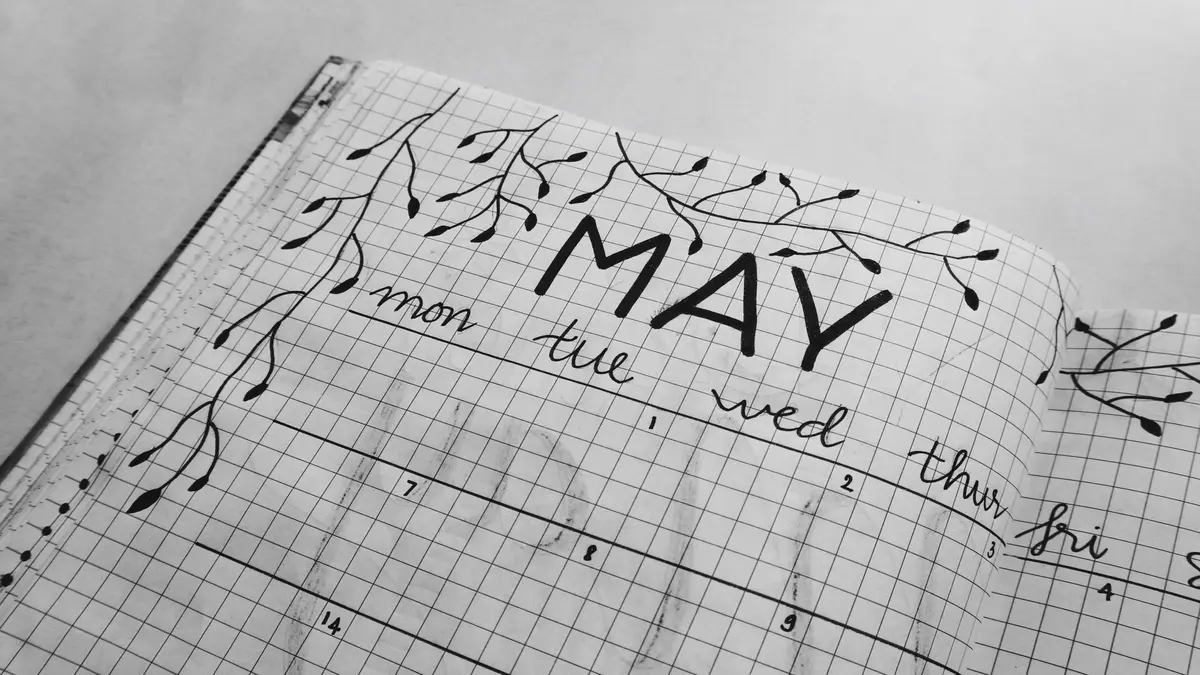
A weekly spread gives you a big-picture view of your upcoming week. Usually, it puts all seven days on one or two pages, with space for appointments, events, and tasks for each day. Many people also add sections for meal plans, trackers, or weekly goals on the same spread.
What weeklies are good for:
- Setting up your entire week at once
- Seeing your schedule, tasks, and deadlines side by side
- Distributing projects and chores throughout the week
- Not missing fixed events, deadlines, or appointments
But weekly spreads have some natural limitations:
- Limited writing space for each day—hard if you have long to-do lists or lots of notes
- Not ideal for journaling, daily reflections, or recording unexpected details
- Can feel cramped or rushed for those with unstructured or busy schedules
Example: If your life is shaped around school, work, or appointments that you can see ahead of time, weeklies make it easier to keep track without rewriting tasks every single day.
Daily Logs: Detailed Day-by-Day Tracking
A daily spread (or daily log) is just what it sounds like—one page or section for each day. You usually set these up the night before or first thing that morning. Dailies typically include to-do lists, notes, reminders, and might also have space for journaling, gratitude, or even doodles.
Strengths of daily logs:
- Plenty of space for detailed to-do lists
- Room for notes, thoughts, or free-form journaling
- Naturally adapts to each day’s needs, whether busy or quiet
- Excellent if your days vary a lot or fill up unexpectedly
Drawbacks to daily logs:
- Takes a few minutes to set up every single day
- Tricky to pre-plan tasks for future days
- Can lead to flipping back and forth if you have multi-day tasks
- Sometimes leads to rewriting tasks if there’s no weekly overview
Example: If you work from home, juggle many small tasks, or like to reflect more deeply on each day, daily logs give you the flexibility and space you need.
Weekly vs Daily: Practical Pros and Cons
Here’s a quick comparison that sums up what you get with each layout:
| Feature | Weekly Spread | Daily Log |
|---|---|---|
| Overview of the week | ✔ Most events at a glance | ✗ Only see one day |
| Space per day | ✗ Limited, can feel cramped | ✔ Lots of space |
| Setup time | ✔ Once a week | ✗ Every day |
| Detailed notes | ✗ Not much room | ✔ As much as you want |
| Easy to pre-plan | ✔ Yes | ✗ Not really |
| Good for journaling | ✗ Not ideal | ✔ Yes |
| Flexible for busy days | ✗ Less adaptable | ✔ Easy to adjust |
Deciding What Fits You
How do you figure out which approach makes sense for your own schedule? There’s no right answer, but here are some concrete questions to ask yourself:
1. How predictable is your week?
- Steady routine (e.g., classes, work shifts): A weekly spread covers everything at once.
- Unpredictable days (e.g., freelance, parenting): Daily logs let you adjust for surprises or shifting priorities.
2. How much do you write each day?
- Short task lists and few notes: Weekly spreads are usually enough.
- Long to-do lists, journaling, or notes: You’ll want daily logs to avoid squeezing things in.
3. Do you prefer planning ahead or reacting day by day?
- Love advanced planning: Weeklies help keep events, deadlines, and projects organized.
- Work best reacting as things happen: Dailies suit a responsive style.
4. Are you overwhelmed by setting up new pages?
- Minimal effort: Weeklies need setup once a week; dailies require daily attention.
5. Have you used a traditional planner before?
- If you’re used to weekly layouts, you may prefer weeklies; if not, daily logs might feel more natural.
Realistic Examples From Users
Many bullet journal users go back and forth on this decision, especially when life changes. Some find themselves overcommitting on weekly spreads, only to realize they don’t have as much free time as they thought. Others set up elaborate daily logs, then lose steam on busy days.
One common adjustment is a hybrid system—using both weeklies and dailies, sometimes together, sometimes switching as needed. For instance:
- Use a weekly spread for the big picture—appointments, fixed deadlines, meal planning. Then turn to daily logs only when a day is extra busy or deserves more detail.
- Use a weekly spread as a “near-future log” to jot down tasks for upcoming days. Each morning, check the weekly, then start a daily log for that day only if your to-do list gets long or complicated.
- If parts of your life need separate focus (work, home, hobbies), reserve dailies for notes and reflections while keeping a weekly spread for the essentials.
Common Frustrations—and Solutions
Frustration: Tasks and events have to be re-written in both spreads, which feels wasteful or confusing.
- Tip: Only write an event on the most “zoomed-in” layout where you’ll see it in time, or use color codes or shorthand arrows to show migration.
Frustration: Daily logs get skipped on busy days, breaking the routine.
- Tip: Keep a simple weekly spread as a fallback—you can rapid-log on those days without needing to create a full daily spread.
Frustration: The system feels scattered if you switch layouts too often.
- Tip: Stick to one main method for a few weeks at a time. Review what helped you feel less stressed and what felt like extra work.
Frustration: Time spent decorating or setting up spreads instead of actually planning.
- Tip: Start with very plain layouts (boxes, lines, or simple lists); later, add decoration only if and when you want to. Some people find stickers or highlighters an easy way to add color without extra effort.
Simple Strategies to Try
- Weekly + daily hybrid: Prepare a weekly overview for structure. Make daily spreads only as needed for detail or journaling.
- Minimalist weeklies: Try lists with small sections per day. If the list fits, don’t add more pages.
- Rolling dailies: Start with today’s entry, then add tomorrow’s below if you need to keep going—no need to predefine space if you’re unsure how busy you’ll be.
- Theme switching: If life is slow, keep a weekly spread. During busy weeks (deadlines, events), switch to daily logs for that stretch, then go back.
- Memory keeping: Combine journaling with your daily or weekly logs—a line for memory, mood, or what’s on your mind.
- Habit and task trackers: Use these on weekly spreads for a quick snapshot; shift to daily only if you need more detail.
Final Thoughts—Adapting Without Overcomplicating
There’s no one right way to plan, and it’s normal for your routine to change. The best part of bullet journaling is customizing it so it actually fits your real life. If you start feeling confused or stuck, simplify: pick the layout that feels easiest for you right now and stick to it for a bit, then adjust as needed. If you find yourself always wanting more space, try adding dailies. If you’re tired of daily set-up, go back to weekly overviews.
Review your system every few weeks. Notice what actually helps you stay organized, not just what looks nice on paper. Your bullet journal is there to make life easier—not more complicated.